
Understanding
Differentiation:
Relationship & Personal Growth
Staying True to Yourself & Close to the People You Love

Welcome To
Your Ability to Hold Onto Yourself

Differentiation is your emotional maturity and agility—your ability to hold onto yourself, your thoughts, your values, and your calm, while staying close to people who matter to you.
Differentiation is
The capacity that helps you hear your partner's anger while continuing to think clearly
Respond from your own values, and care about them.
What you draw on so you can tell your partner what you actually want in bed, with no guarantee they will want the same thing.
It's how a mom can watch her teenager make a choice she disagrees with and stay connected to him without needing to control him or withdraw emotionally.
David Schnarch, American psychologist and creator of the Crucible Approach, built his entire method for couples-work around differentiation.
Schnarch saw that communication strategies alone don’t get to the root of what keeps couples fighting and lonely.
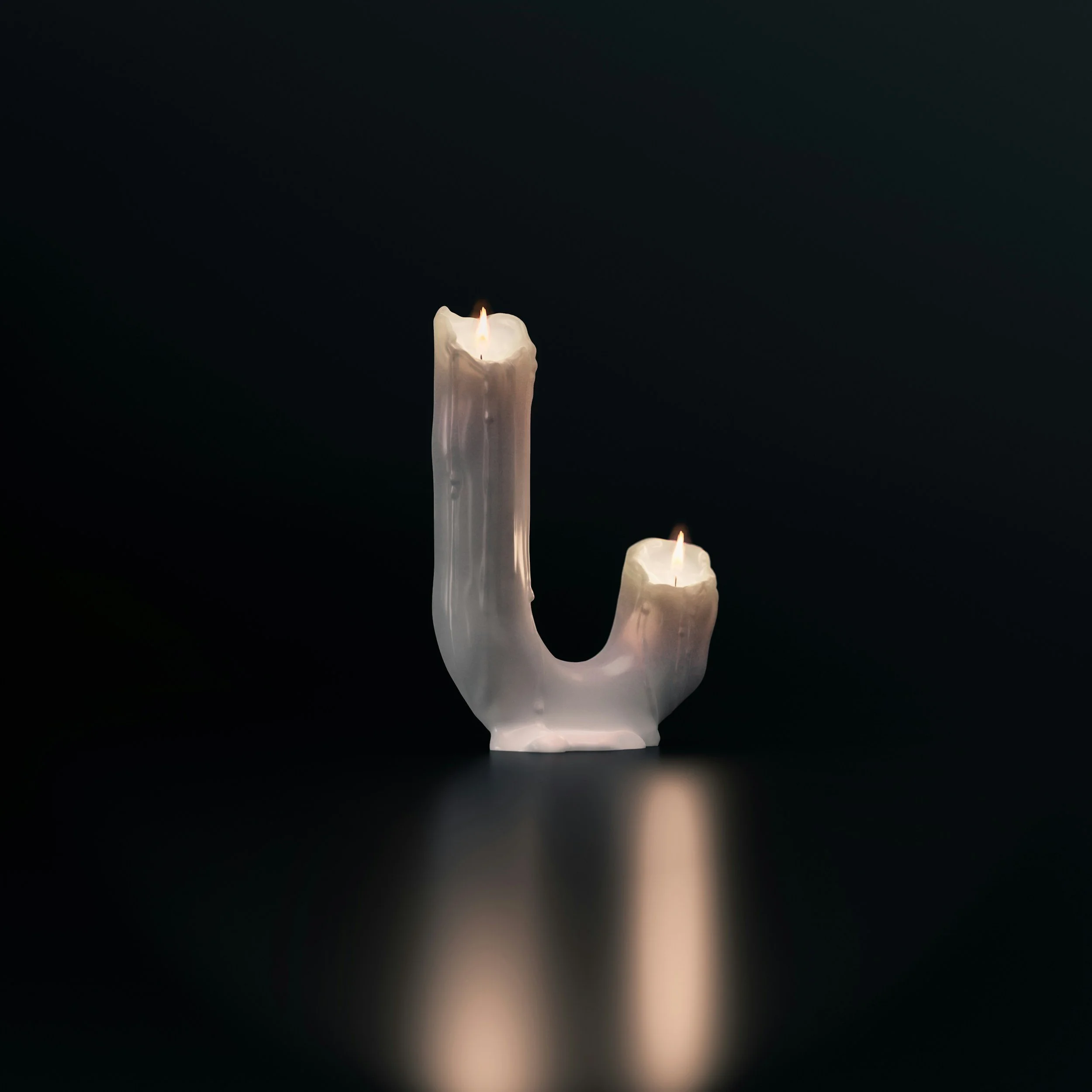
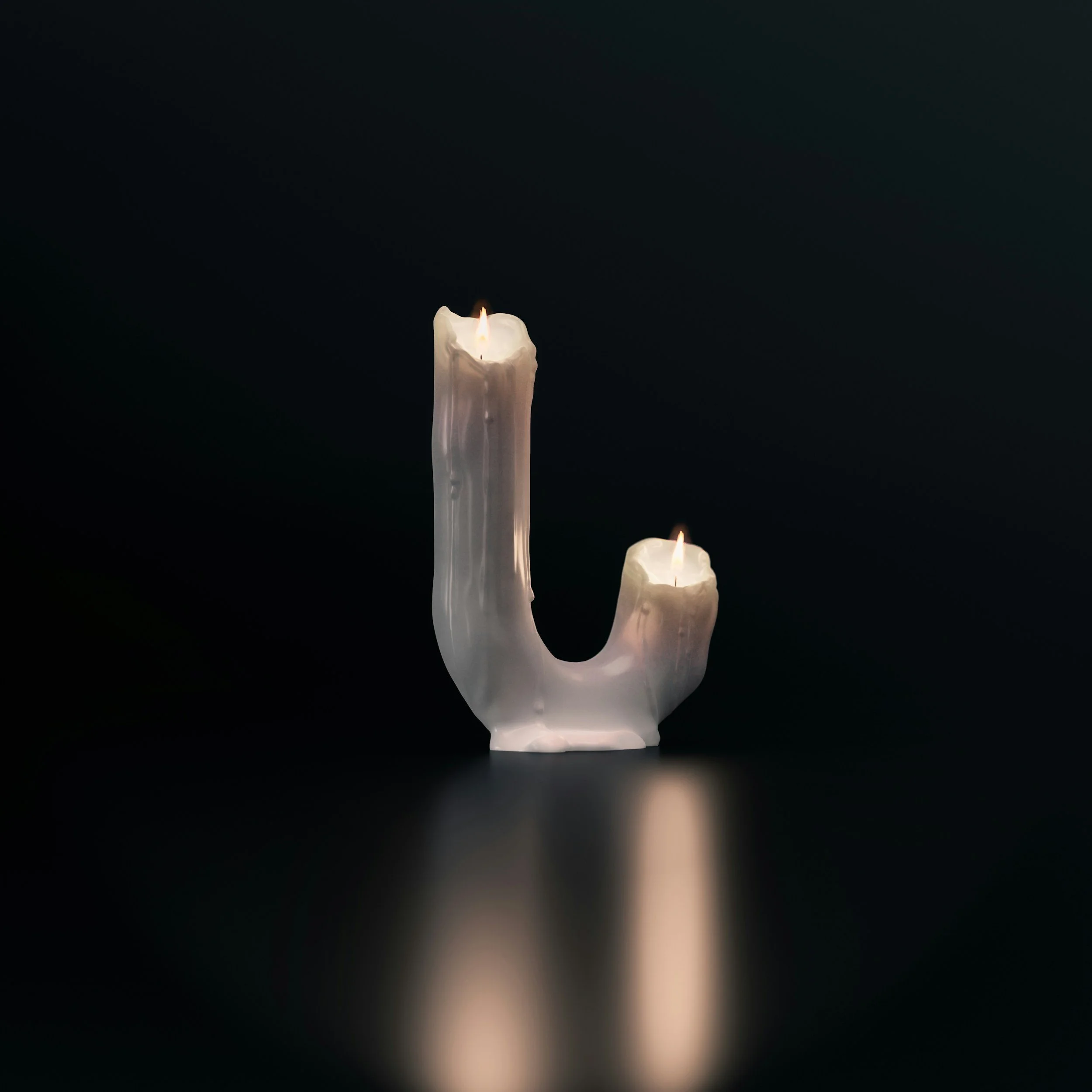
Two Candles Melting Together
Psychologist Schnarch described poorly differentiated partners as two candles melting together.
Sometimes this looks and feels like closeness.
You finish each other's sentences.
Maybe you can't relax until your partner is happy.
Your moods rise and fall as one.
The trouble is that emotionally fused partners are connected by anxiety rather than by choice.
When You're Fused, Your Feelings Are Contagious.
If your partner comes home tense, you get tense, and neither of you can settle until the other one does.
You both try to manage each other by avoiding topics that set your partner off, saying what your partner wants to hear instead of what you really think.
And working the other person's emotional dials in an attempt to steady yourself.
If this goes on long enough, the relationship becomes careful and flat, and you find yourselves bored and constrained at the same time.

Here's What Surprises Most People
Fused couples usually think their problem is distance.
They feel estranged and alone, so they conclude they need more togetherness.
It works the other way around.
The estrangement is what fusion feels like from the inside. Two candles melted into one puddle have plenty of contact and no shape.

Growing a Self (Becoming Unfused) Requires Friction
If you recognize yourself in the fusion description above, nothing’s going wrong.
Every committed relationship eventually puts pressure on the dynamic of fusion within a relationship.
Sooner or later, your partner will stop validating you on demand, or hold a position you can't pressure them out of.
Those moments hand you a choice between growing more solid in yourself or settling for less connection.
And The Reward is Worth the Friction
Welcome to Differentiation

When you can hold onto yourself, you can afford to stop managing your partner's impression of you and let them meet whoever is actually there. Your long-term erotic life depends on that capacity. Desire needs someone to want, and two people who have each kept their own shape can find depths in each other that technique and novelty never reach.
Frequently Asked Questions About Differentiation
What is differentiation in a relationship?
Differentiation is the capacity to hold both at once. Rather than sacrificing your individuality to keep the peace or sacrificing the relationship to protect your individuality, differentiation allows you to remain fully yourself while staying deeply connected to your partner.
We all want both freedom and connection, and most of us struggle to find a balance between the two.
Can differentiation grow over time?
Yes, the good news is that your differentiation can keep growing throughout adulthood if you're willing to work at it, and committed relationships are the best gym available. In fact, committed relationships are one of the best places to develop it. Growth happens in close quarters, through the inevitable friction of intimacy—not by avoiding it.
Yes. Young adults typically leave home with about the same level of differentiation as their parents, which can be discouraging if you grew up in a family where there wasn't room for two separate selves under one roof.
Does differentiation mean needing more space in a relationship?
No. Because the word is often misused, it's worth being clear about what differentiation isn't.
The person declaring, "I need space!" while keeping one foot out the door isn't necessarily highly differentiated. That's often someone afraid of melting into the relationship, managing fusion with distance instead of clinging. Real differentiation happens up close, not from a distance.
Is differentiation the same as being selfish?
No. Differentiation isn't selfishness.
As you become more differentiated, what your partner wants for themselves begins to matter to you at the same level as what you want for yourself. Giving to your partner no longer feels like losing yourself, making genuine generosity possible without self-abandonment.
Why are committed relationships important for developing differentiation?
The good news is that your differentiation can keep growing throughout adulthood if you're willing to work at it, and committed relationships are the best gym available. If you sacrifice your individuality to keep the peace, you shrink and flatten inside the relationship. If you sacrifice the relationship to protect your individuality, you may preserve your shape but end up alone with no one to share it with.
Differentiation develops through the challenges of staying connected while remaining fully yourself. It is built through closeness, friction, and the ongoing work of growing together.
How does differentiation show up in everyday relationships?
In daily life, differentiation shows up as emotional regulation and courage in the face of conflict. You can settle your own anxiety instead of needing your partner to do it for you, which also means you don't automatically absorb theirs when emotions are running high.
You can stay steady during conflict rather than getting swept into reactivity, and you can tolerate the discomfort that comes with growth—both yours and your partner's—without shutting the process down.
A Note From Catherine
Differentiation is inherently challenging work.
You practice staying present in one hard conversation, and the next time you notice your anxiety spiking a little sooner, or you catch yourself managing your partner's mood and stop.
You say one true thing you would have swallowed a year ago, and then you sit with their reaction without crumbling or attacking.
Early on, you'll mostly recognize fusion after the fact, and that recognition is itself the skill developing.
Over time, holding your own shape under pressure becomes less of a heroic effort and more a way you live.

I must conquer my loneliness alone.
I must be happy with myself or I have nothing to offer you.Two halves have little choice but to join; and yes, they do make a whole.
But two wholes when they coincide
That is beauty
That is love.
-Peter Williams-
Two halves joining is fusion.
Two wholes coinciding is differentiation.
Getting there is worth every uncomfortable conversation.